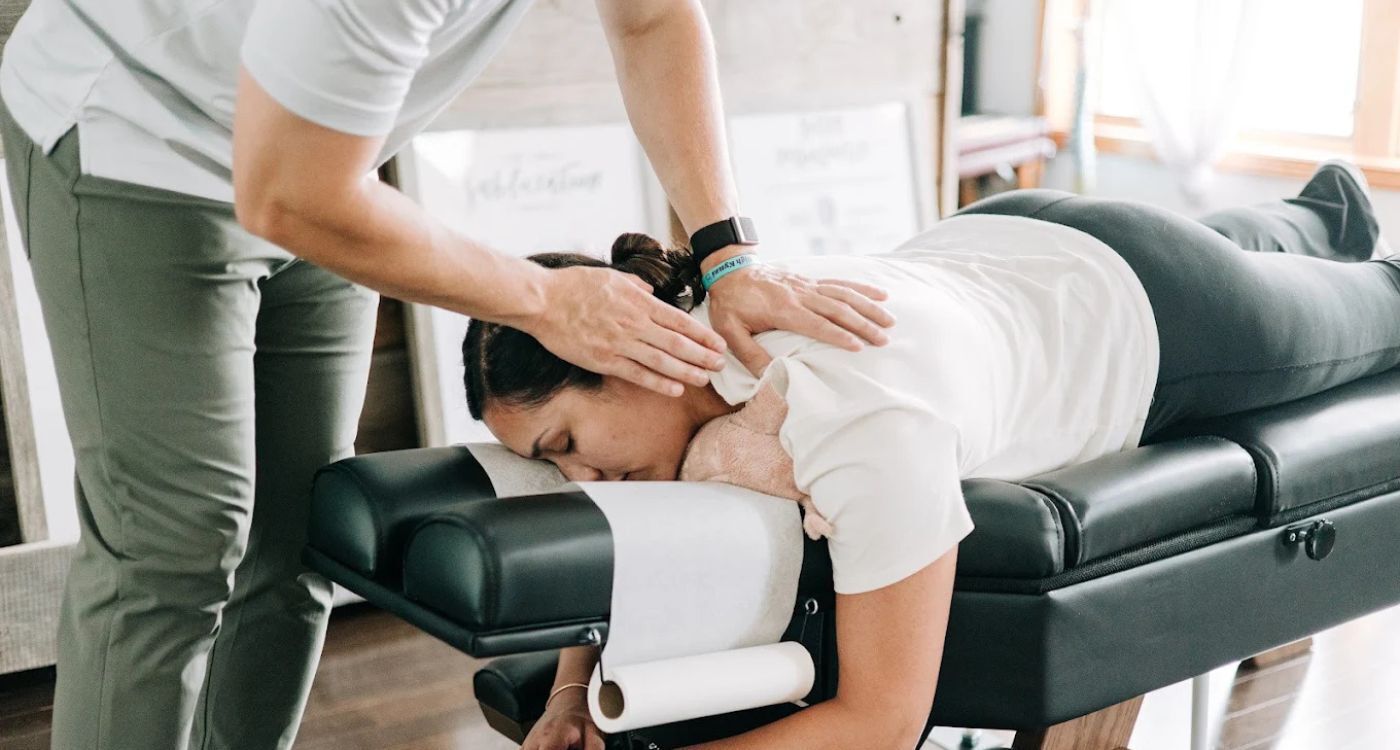
If you've dealt with recurring back pain, you already know the cycle. It flares up, you rest, it gets better, and then a few weeks later it's back, sometimes from something as minor as reaching for a glass or sleeping in the wrong position. You've probably tried stretching, heat packs, maybe even a round of physical therapy. And yet here you are again.
The frustrating truth is that most recurrent back pain isn't a back problem. It's a nervous system problem. Understanding that difference is what separates short-term relief from lasting recovery. As a chiropractor for low back pain in Asheville and the Fletcher area, Dr. Taylor MacLean at French Broad Chiropractic approaches back pain from exactly this angle, and the results tend to look different from what most patients have experienced before.
The Back Is Usually the Messenger, Not the Problem
When your lower back hurts, it makes sense to focus there. That's where the pain is. But the spine doesn't work in isolation. Every vertebra, disc, and joint in your back is connected to a dense network of nerves that runs communication between your brain and the rest of your body. When something disrupts that network, whether from an injury, a period of stress, repetitive posture, or a long stretch of sitting, the back is often where the disruption shows up, not where it started.
Think of it like a circuit board. When a signal is interrupted somewhere along the line, you don't fix it by addressing the bulb that went dark. You trace the circuit back to the source.
Chiropractors trained in nervous-system-centered care look at the full circuit. That means evaluating not just the painful area but the segments of the spine above and below it, the pelvis, the hips, and the patterns of tension that have built up over time in response to how you move, sit, and carry stress in your body.
What Compensation Looks Like in the Back
One of the most common reasons back pain keeps returning is compensation. When one area of the spine is restricted or not moving well, the surrounding structures pick up the slack. Over time, those compensating muscles and joints carry a load they weren't designed for, and they start to break down.
A patient might come in with significant pain at L4-L5, but the actual primary restriction could be sitting at the sacroiliac joint or up in the mid-thoracic spine. Adjusting only the painful spot without addressing the compensation chain is a bit like treating the symptom rather than the cause. It might feel better for a while, but the underlying dysfunction remains and the pain finds its way back.
This is why a thorough assessment at the first visit matters so much. Dr. MacLean evaluates posture, range of motion, and how different segments of the spine are moving relative to each other before any chiropractic adjustments are made. The goal is to find the source of the disruption, not just manage where it's currently expressing.
The Role of the Nervous System in Back Pain
Your nervous system does far more than transmit pain signals. It regulates muscle tone, coordinates movement patterns, and governs how your body responds to physical and emotional stress. When the nervous system is in a chronic state of tension, what researchers call an elevated sympathetic state, the muscles surrounding the spine tend to hold more baseline tension. This can compress joints, reduce range of motion, and create a physical environment where pain is much more easily triggered.
Chiropractic adjustments work in part by stimulating the mechanoreceptors in spinal joints, which send signals to the brain that help down-regulate that sympathetic response. Research published in the Journal of Manipulative and Physiological Therapeutics has documented changes in nervous system activity following spinal manipulation, including reductions in muscle hypertonicity and improvements in autonomic balance.
In plain terms: a well-delivered adjustment doesn't just move a stuck joint. It sends a reset signal to the nervous system that changes how the muscles around that joint behave. That's why many patients notice that the area around an adjusted segment feels softer and less guarded afterward, not just immediately relieved.
Why Back Pain Keeps Coming Back for So Many Patients in Western NC
Patients in the Fletcher and Asheville area often arrive at French Broad Chiropractic after months or years of managing back pain through rest, over-the-counter pain relief, or episodic treatment that addresses flare-ups but doesn't identify the underlying pattern. This isn't a criticism of those approaches; sometimes rest and anti-inflammatories are exactly the right first step. But when back pain is recurring, it's a signal that something structural or neurological hasn't been fully addressed.
Dr. MacLean's approach to back pain care starts with understanding your specific history: how long you've had the problem, what makes it better or worse, what your daily life looks like, and what previous treatments have done or not done. From there, care is structured around your actual findings, not a generic protocol.
For patients dealing with long-standing compensatory patterns, this means working through layers of dysfunction with the goal of making improvements last, rather than just getting you out of pain temporarily. Many patients also find that care for related concerns, whether that's a sports injury, postural strain from a desk job, or tension from an old motor vehicle accident, plays into their back pain more than they initially realized.
When to See a Chiropractor for Back Pain
A common question is how quickly after back pain starts you should seek care. The general answer: sooner is better. Early intervention tends to prevent compensation patterns from becoming established, which shortens recovery time significantly. The American College of Physicians recommends spinal manipulation as a first-line treatment for acute and chronic low back pain before moving to medications, a recommendation that reflects a growing body of evidence supporting conservative care.
That said, if you've been managing back pain for years, it's never too late to benefit from care. Many of the most significant improvements Dr. MacLean sees happen in patients who assumed they were just going to have to live with their back pain.
Back pain doesn't have to be your normal. If you're ready to look at what's actually driving it, French Broad Chiropractic is welcoming new patients across Fletcher, Asheville, Hendersonville, and Western North Carolina.
Ready to Get to the Bottom of Your Back Pain?
Recurring back pain is not inevitable, and it's rarely just a back problem. The nervous system's role in maintaining muscle tone, regulating stress responses, and coordinating movement means that lasting relief often requires addressing more than the painful area alone. A nervous-system-centered approach to back pain care, one that looks at the whole circuit rather than just where the pain is showing up, is what makes the difference between short-term relief and long-term change.
If you're looking for a chiropractor for low back pain in Asheville or Fletcher, NC, Dr. Taylor MacLean would be glad to help you figure out what's actually going on. Book your first visit online or call 828-214-5014.